Elevate Your Property: Why You Should Hire Professional Tree Cutting Services
Renovating a landscape is often a complicated undertaking. Engaging professional tree cutting services makes this process easier. These experts possess specialized expertise and abilities, guaranteeing safe and efficient tree removal. This improvement not only boosts curb appeal but also safeguards property value. Still, a significant number of homeowners ignore important components of tree care. Grasping the benefits and potential challenges can contribute to wiser choices. What key aspects should homeowners examine before contracting these specialists?
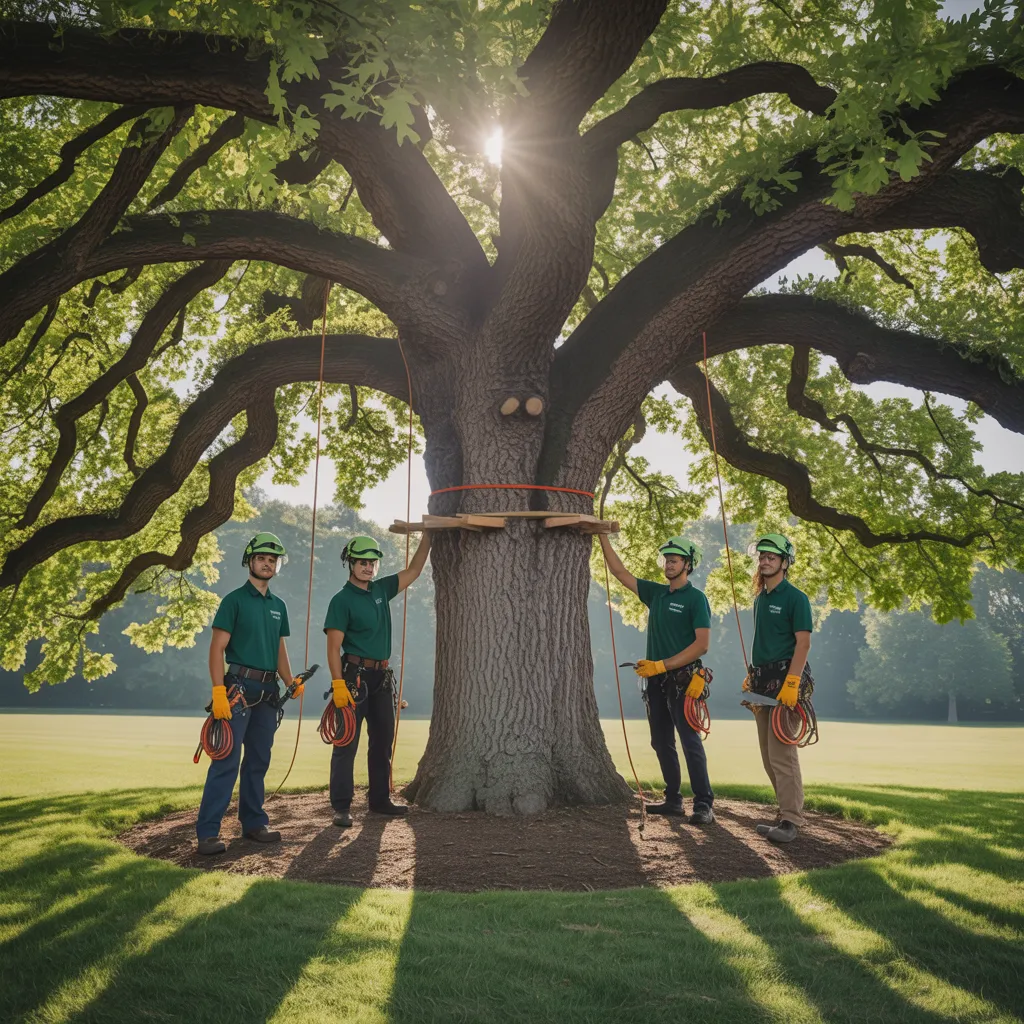
Why You Should Hire Professional Tree Cutting Services
When thinking about tree upkeep, most homeowners acknowledge the substantial value of working with professional tree cutting services. These experts carry specialized knowledge about tree varieties, growth patterns, and optimal cutting techniques, making sure trees are pruned or removed properly. This expertise decreases the chance of damage to nearby structures and landscapes, fostering a healthier environment.
Additionally, expert tree removal specialists are outfitted with the required tools and safety gear, which are often expensive and require training to use effectively. This increases effectiveness while decreasing the probability of mishaps or injuries during the work. In addition, working with professionals can spare homeowners considerable time and effort, freeing them to prioritize other significant activities.
Lastly, tree cutting services can deliver helpful assessments of tree condition, guiding property owners on necessary maintenance and treatment. This proactive approach enhances the overall longevity and aesthetics of the property.
How Tree Cutting Services Strengthen Safety
Professional tree cutting services greatly enhance safety for homeowners and their properties. Overgrown or weakened trees create substantial risks, including the danger of falling limbs during severe weather or high winds. These services assess tree health and structural integrity, identifying potential risks before they escalate into dangerous situations.
Trained professionals utilize specialized equipment to carefully eliminate trees and limbs, reducing the risk of events that could result in personal injury or structural damage. Moreover, they adhere to established safety measures that safeguard workers as well as nearby surroundings.
The Way Tree Health Influences Property Value
The health of trees greatly influences property value, primarily through their aesthetic appeal and structural integrity. Healthy, well-tended trees boost the aesthetic character of a property, drawing in prospective buyers and improving market appeal. On the other hand, diseased or deteriorating trees can create safety hazards and diminish overall attractiveness, adversely affecting property values.
Tree Aesthetics and Attraction
Well-maintained trees significantly improve the visual charm and attractiveness of a property, impacting its total worth. Well-maintained trees contribute to a lush, inviting landscape, attracting potential buyers and increasing curb appeal. The presence of thriving, lush vegetation can cultivate an atmosphere of calm and relaxation, making properties increasingly attractive. Additionally, established trees provide shelter and seclusion, improving exterior areas and promoting community gatherings. When trees are maintained and groomed by specialists, they present a sophisticated aesthetic that uplifts the surrounding grounds. Conversely, neglected or unhealthy trees can detract from a property's visual appeal, possibly reducing its overall worth. Therefore, utilizing skilled tree care services confirms that trees stay a valuable feature rather than a drawback.
Structural Integrity and Safety
Even though healthy trees can improve a property's attractiveness, their structural integrity is just as critical for safety and value. Compromised or unhealthy trees present serious hazards, including potential property damage and injury. As limbs grow unstable or root systems deteriorate, the likelihood of falling limbs increases, endangering both individuals and surrounding structures. Homeowners should recognize that unhealthy trees can detract from property value, as buyers are often wary of hidden liabilities. Routine evaluations by arborists can detect problems before they escalate, guaranteeing that trees remain a beneficial part of the property. By emphasizing proper tree care and security, homeowners not only safeguard their assets but also cultivate an attractive setting that draws prospective buyers and improves total property value.
Important Facts to Know Before Hiring Tree Care Experts?
How can homeowners guarantee they choose the right tree care experts? The first step is to carefully investigate any companies being considered. Reading online reviews and customer testimonials offers valuable information about the level of service provided. Moreover, verifying credentials such as insurance and licenses is essential; reputable tree care experts should be fully insured to protect against accidents.
Property owners should additionally request comprehensive estimates that describe the range of services involved, ensuring there are no hidden costs. It's beneficial to ask about the techniques and equipment the company uses, as contemporary methods can improve safety and effectiveness. In addition, a trustworthy tree care specialist will arrange a consultation to discuss specific needs and provide tailored recommendations.
Ultimately, homeowners should trust their instincts during the hiring process. Clear communication and a polished approach can indicate a company's commitment to quality service. By implementing these measures, homeowners can make informed decisions when hiring tree care experts.
Common Tree Care Blunders Homeowners Make
Many homeowners unknowingly make vital mistakes in tree care that may result in lasting harm. One typical error involves improper pruning, which may compromise a tree's structure and encourage disease. Moreover, overlooking mulching can result in soil erosion and moisture loss, harming root systems. Excessive watering is another common error, since it can choke roots and encourage fungal diseases. Homeowners might also overlook signs of pest infestations, enabling infestations to grow and damage tree health. Finally, not considering a tree's mature size when planting can result in overcrowding, reducing growth and intensifying competition for nutrients. Correcting these errors is crucial for preserving a thriving landscape and guaranteeing the long-term health of trees. By recognizing these common errors, homeowners can improve their tree care routines and support a healthier environment.
Finding the Ideal Tree Cutting Service for You
Selecting the most suitable tree removal service can considerably affect the aesthetics and health of a landscape. Residents should focus on companies with qualified tree specialists who have the required expertise in proper tree care and removal techniques. Examining digital reviews and feedback can offer valuable information about a service's reliability and quality. Furthermore, collecting various price quotes allows homeowners to assess costs and service options, guaranteeing they find a provider that suits their financial requirements without sacrificing quality.
It is also essential to ensure that the selected service carries full insurance and proper licensing, safeguarding the homeowner against possible liabilities. Questions regarding the tools and approaches utilized can additionally reflect a company's professional standards and safety commitment. Ultimately, a reputable tree cutting service will offer a thorough assessment of the trees, supplying advice on maintenance and ongoing care to maintain the integrity of the landscape. In the end, well-informed choices ensure homeowners choose a service tailored to their unique requirements.
Answers to Common Questions
How Much Do Professional Tree Cutting Services Typically Cost?
The typical cost of professional tree cutting services is between $200 and $2,000, with pricing influenced by the tree's size, placement, and the overall scope of the project. Extra charges may be assessed for stump grinding and additional specialized work.
What Season Is Ideal for Tree Cutting?
The optimal time for tree cutting is generally late winter to early spring, prior to the onset of new growth. This schedule reduces stress on the tree and decreases the chance of disease transmission.
Are There Specific Permits Required for Tree Cutting?
Yes, specific permits are often required for tree removal, based on local regulations. Land owners should consult city officials to verify compliance and steer clear of potential penalties or legal problems related to unlicensed tree removal.
What Are the Signs That a Tree Needs to Be Cut
A tree may need cutting if it shows signs of decay, dying limbs, or noticeable tilting. Additionally, should it threaten the safety related article of surrounding structures or people, consulting a professional for a thorough inspection is strongly advised.
What Equipment Is Used by Tree Cutting Specialists?
Tree service specialists generally employ pruning saws, chainsaws, axes, and wood chippers. Essential safety equipment includes helmets, gloves, and harnesses. Furthermore, stump grinders and trucks are often used to facilitate effective debris removal and site cleanup.